

The Ultimate Guide to Stress Relief for Dogs
Anxiety Relief for Dogs Starts With Safety, Routine, and the Right Support

Anxiety relief for dogs works best as a plan, not a single product. Start by limiting exposure to known triggers, giving your dog a quiet safe space, and keeping meals, walks, play, and rest on a steady schedule. Then use positive-reinforcement training to slowly build better feelings around the trigger. For severe panic, destructive behavior, escape attempts, or aggression, contact a veterinarian promptly.
Dogs may show stress by panting, pacing, trembling, hiding, barking, chewing, licking their lips, or having accidents indoors. Triggers can include being left alone, thunderstorms, fireworks, travel, visitors, pain, aging-related confusion, and sudden changes at home. The goal is not to sedate a dog or punish fearful behavior. It is to help them feel safer and more able to cope.
For dog families in Hollywood, FL, South Florida storms can make noise sensitivity especially challenging. The same practical approach applies nationwide: prepare before stressful events, create predictable daily patterns, and pair natural wellness tools with training and veterinary care when needed.
I'm Max Shemesh, founder and CEO of Aventus8, where my work in the hemp industry focuses on high-quality, compliant cannabinoid products. In this guide, I will help you understand where thoughtfully chosen natural options may fit into Anxiety relief for dogs alongside proven behavioral and veterinary support.
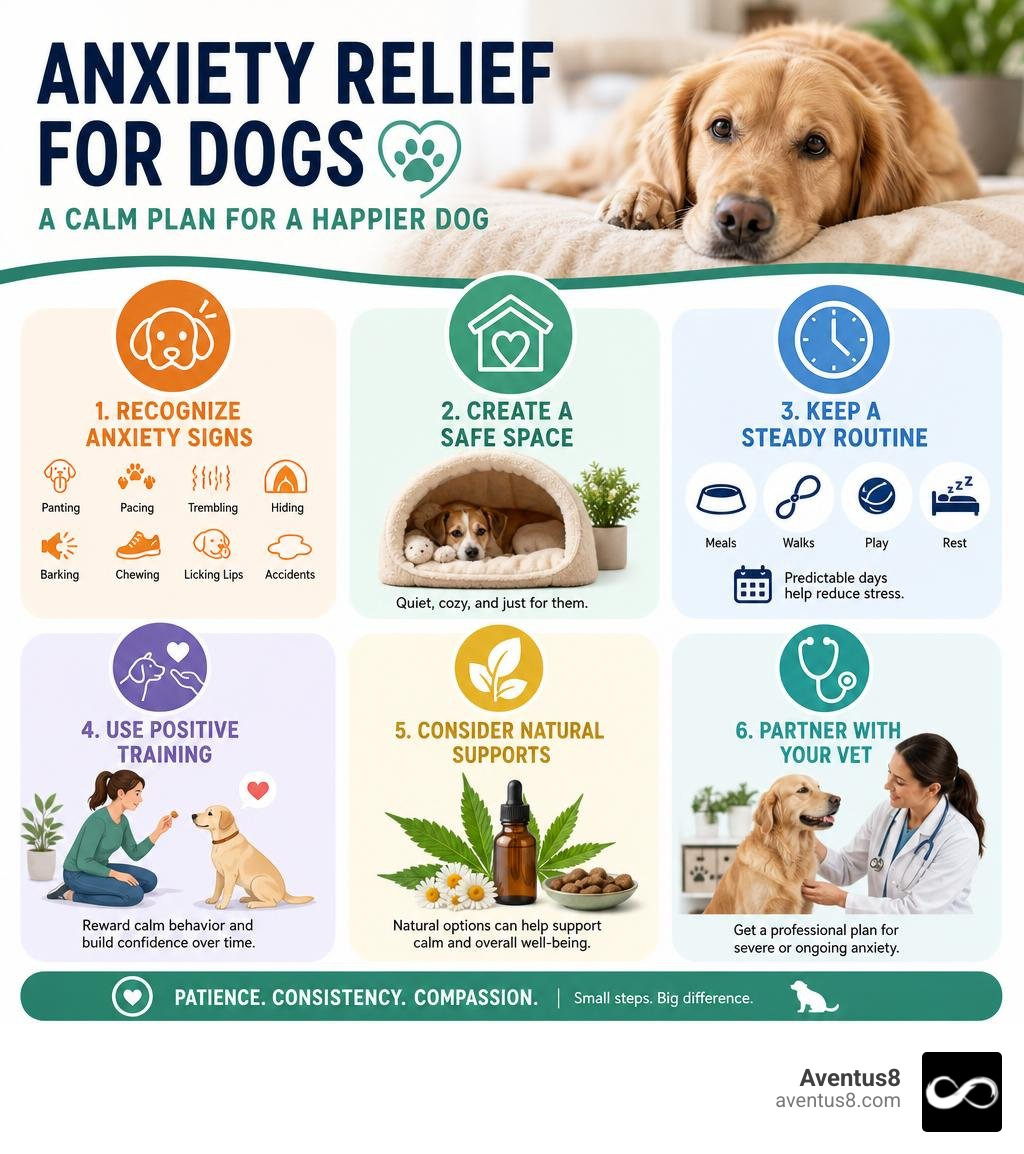
Anxiety relief for dogs word guide:
Understanding Canine Stress: Symptoms, Triggers, and Root Causes
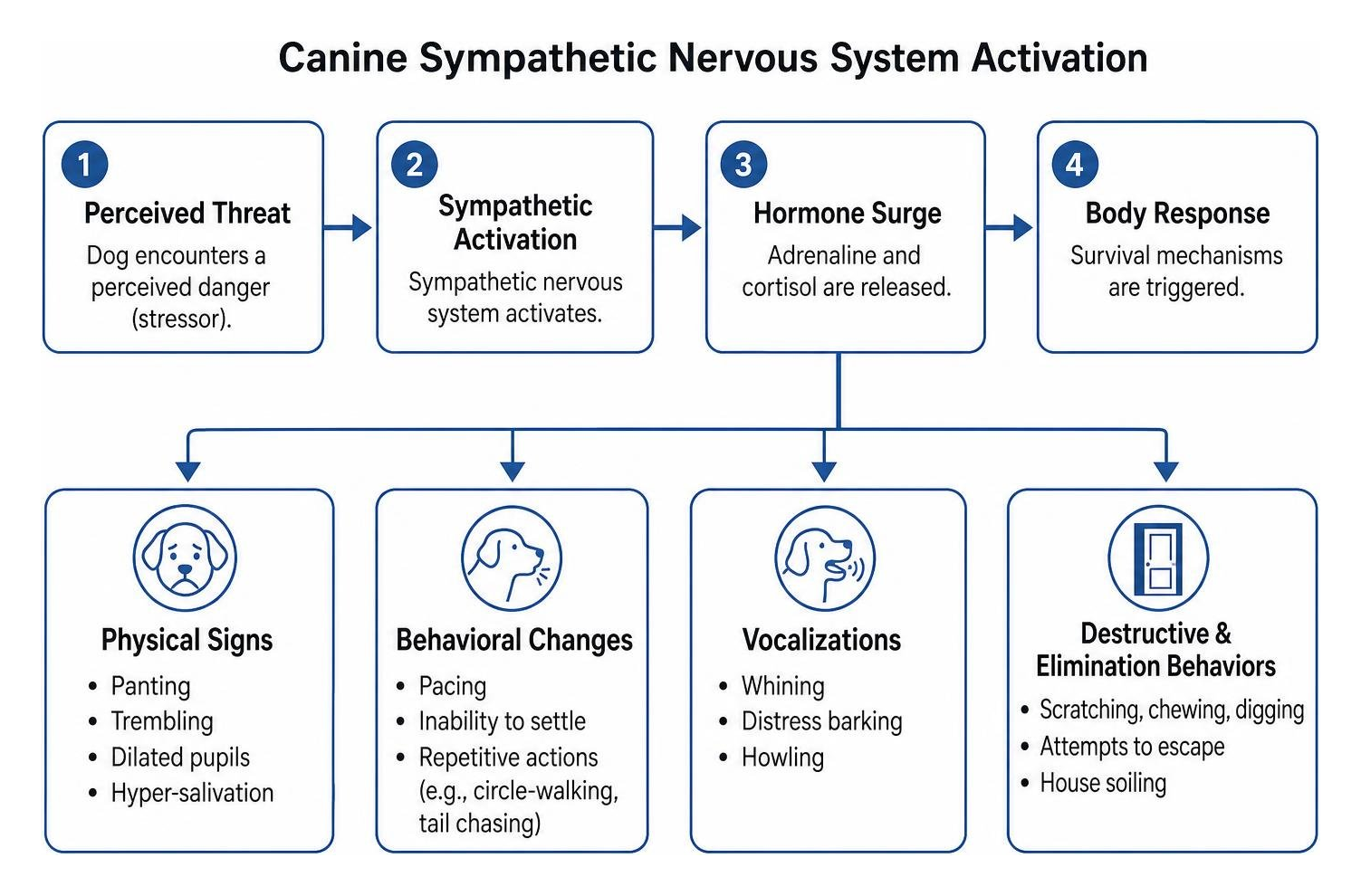
Canine anxiety is not just a personality quirk; it is a complex physiological reaction. When a dog encounters a perceived threat, their sympathetic nervous system activates a cascade of survival mechanisms. Research indicates that up to 70% of behavioral disorders in dogs stem from some form of underlying anxiety.
Whether you are navigating high-humidity afternoon downpours with your pup in Hollywood, FL, or managing seasonal changes nationwide, recognizing stress early is essential for managing pet behavioral issues. Understanding clinical baselines and clinical protocols for pet anxiety empowers owners to take proactive steps rather than reactive measures.
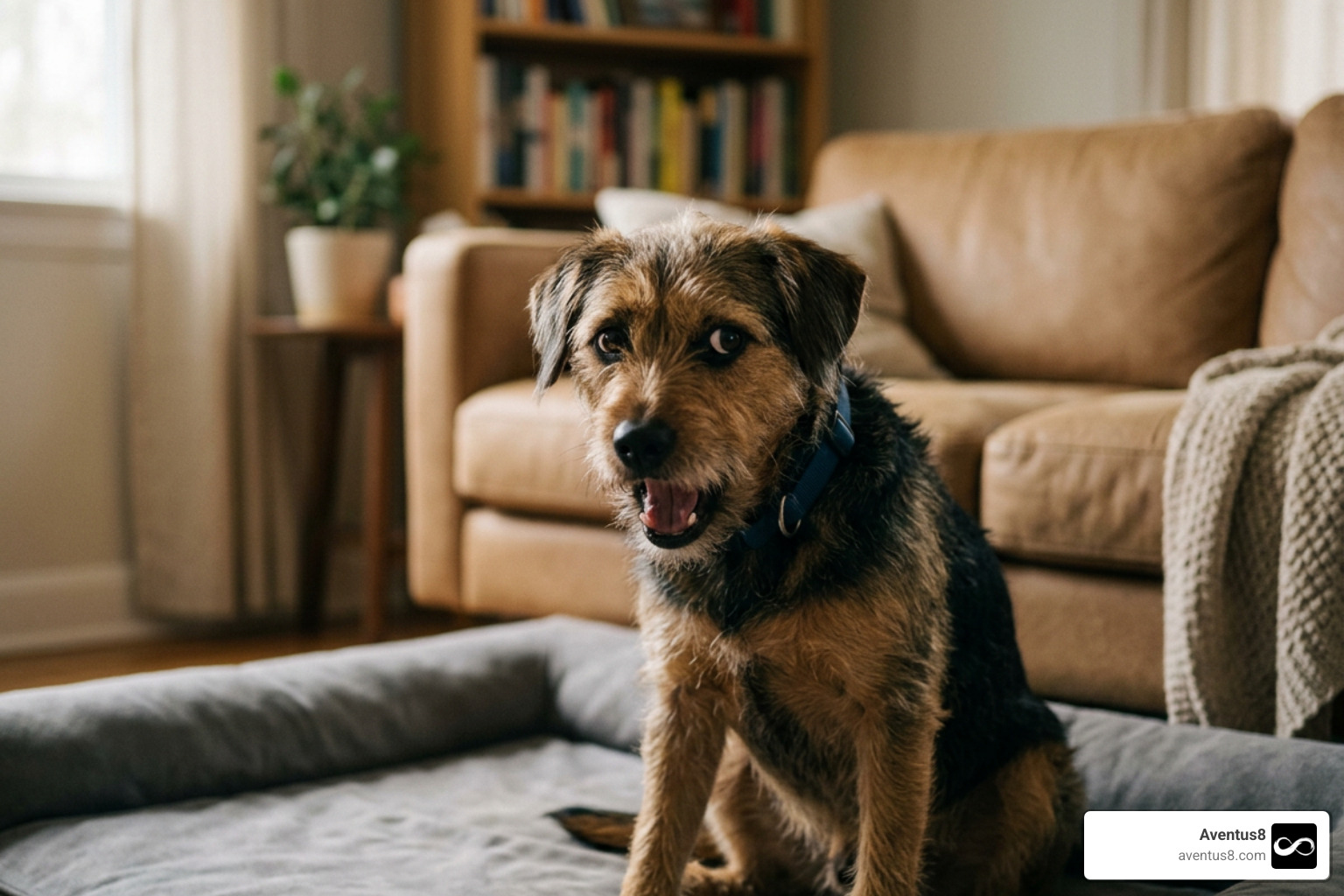
Identifying Physical and Behavioral Warning Signs
When a dog's central nervous system perceives danger, cortisol and adrenaline surge. This response triggers observable physical and behavioral changes:
- Subtle Displacement Signals: Yawning when not tired, frequent lip licking, avoiding eye contact, and showing the whites of their eyes (whale eye).
- Autonomic Responses: Sudden excessive panting without physical exertion, trembling, dilated pupils, and hyper-salivation.
- Repetitive & Restless Actions: Compulsive pacing, inability to settle, tight circle-walking, or persistent tail chasing.
- Vocalizations: High-pitched whining, distress barking, or howling when left alone or startled.
- Destructive Behavior & Accidents: Scratching doorframes, chewing baseboards, digging near exit points, or indoor house soiling despite thorough potty training.
Differentiating Separation Distress, Noise Phobias, and Cognitive Dysfunction
Treating stress requires pinpointing the root trigger. Different types of canine distress require distinct management approaches:
- Separation Anxiety: This is a panic response triggered by an owner’s departure rather than simple boredom. Dogs in single-adult households frequently show a higher predisposition. Reviewing veterinary guidance for separation anxiety helps distinguish between mild isolation distress and severe panic episodes.
- Noise Phobias: Common triggers include summer thunderstorms across coastal South Florida, regional firework displays nationwide, construction, and vacuum cleaners. Dogs with sound sensitivities often struggle to regulate their emotional response once startled.
- Resource Guarding & Territorial Reactivity: Fear-based defensiveness surrounding food bowls, toys, sleeping spots, or unfamiliar visitors entering the home.
- Canine Cognitive Dysfunction (CCD): Common in senior dogs, CCD mirrors age-related cognitive decline. Signs include nocturnal pacing, disorientation, staring into corners, and broken sleep-wake cycles.
Behavioral Modification and Environmental Management
Supplements and wellness aids are most effective when paired with structured environmental management and behavioral therapy. Relying solely on calming products without adjusting your dog's environment or addressing triggers rarely yields lasting results.
| Strategy Type | Target Timeline | Core Techniques | Primary Goals |
|---|---|---|---|
| Situational Management | Immediate (Minutes to Hours) | Safe rooms, white noise, lick mats, compression wraps | Prevent trigger exposure and reduce immediate panic |
| Long-Term Modification | Progressive (Weeks to Months) | Desensitization, counter-conditioning, positive reinforcement | Alter underlying emotional response to triggers |
Behavioral Modification and Daily Anxiety Relief for Dogs
Behavioral modification changes how your dog emotionally interprets a stressor. Using fear-free, science-backed protocols preserves trust and fosters emotional resilience:
- Systematic Desensitization: Exposing your dog to a stimulus at a low intensity that does not provoke a fearful reaction (sub-threshold). For sound sensitivities, such as sudden coastal storms in Hollywood, FL or heavy weather nationwide, this may involve playing recorded thunder sounds at low volume during positive activities.
- Counter-Conditioning: Pairing a feared stimulus with a high-value reward. If car travel or busy suburban traffic causes anxiety, reward calm behavior near a parked vehicle before gradually working up to short trips.
- Safe Getaway Cues: Teaching your dog an alternative behavior, such as a nose-touch target or a "find it" scatter feed, to navigate past stressful triggers during daily walks along busy Florida boardwalks or neighborhood sidewalks nationwide.
- Oral Enrichment: Licking and chewing naturally stimulate the vagus nerve and promote relaxation. Provide frozen lick mats or safe chews to help lower arousal levels after stressful events.
Establishing Predictable Routines and Safe Havens
Dogs thrive on environmental predictability. When their daily schedule is consistent, stress levels decrease naturally:
- Maintain Predictable Schedules: Feed, walk, train, and settle your dog at consistent times each day. Predictability gives dogs a sense of security.
- Build an Indoor Sanctuary: Create a quiet, secure rest area located away from high-traffic zones. Equip this space with comfortable bedding, an article of your clothing, and a white noise machine to mask sudden external sounds.
- Crate Training as a Positive Haven: The crate should always serve as an inviting refuge, never as a space for punishment. Feed treats inside the open crate during calm moments so your dog views it as a secure retreat.
- Decompression Walks: Allow your dog to explore open, quiet areas on a long leash, letting them sniff freely in peaceful parks around Hollywood, FL or quiet trails nationwide. Olfactory stimulation engages the brain and helps lower physiological stress.
Natural Supplements and Anxiety Relief for Dogs
Nutraceuticals and functional plant compounds support the nervous system by promoting balanced neurotransmitter activity without heavy sedation, serving dog owners in Hollywood, FL and nationwide. In a randomized controlled trial evaluating canine anxiety, dogs receiving targeted nutritional supplementation showed improved cognitive performance and problem-solving speed during solvable stress tasks.

Cannabinoid Science: Hemp Extracts and CBD Support
The mammalian endocannabinoid system (ECS) plays a vital role in maintaining balance within the central nervous system, regulating mood, stress responses, sleep, and immune health. Cannabidiol (CBD) interacts with CB1 and CB2 receptors throughout the canine body to support relaxation:
- Full-Spectrum & Broad-Spectrum Hemp: Hemp-derived cannabinoids provide comprehensive benefits through the entourage effect, where natural terpenes, flavonoids, and phytocannabinoids work together synergistically.
- Finding Reliable Sources: Explore CBD for dogs online that offer verifiable Certificates of Analysis (COAs) confirming purity, potency, and the absence of harmful contaminants, shipped directly to pet parents nationwide from Hollywood, FL.
- Safety Guidelines: Responsible hemp use requires understanding THC pet treat safety to ensure formulations remain pet-appropriate and non-intoxicating. Specially formulated CBD treats for dogs offer convenient, pre-measured servings for daily care.
- Weight-Based Dosing Strategies: Start with a baseline dose of approximately 0.2 to 0.5 mg of CBD per pound of body weight, administered twice daily. For acute stressors like fireworks, administer the serving 60 to 90 minutes before the event.
Calming Botanicals, Amino Acids, and the Gut-Brain Axis
Combining cannabinoids with gentle botanicals and amino acids provides well-rounded, non-drowsy relaxation:
- L-Theanine: An amino acid found naturally in green tea that stimulates alpha brain waves, encouraging focused relaxation without lethargy.
- Ashwagandha (Withania somnifera): A well-studied adaptogenic herb that helps moderate elevated cortisol levels during chronic stress.
- Chamomile & Passionflower: Botanicals rich in apigenin, a compound that binds to GABA receptors in the brain to help quiet nervous tension.
- L-Tryptophan: An essential amino acid precursor to serotonin and melatonin, supporting positive mood and acting as a gentle natural sleep aid for dogs.
- Probiotics & The Gut-Brain Axis: Chronic emotional distress can disrupt the gut microbiome. Targeted probiotic strains help maintain digestive balance and support steady mood regulation through the vagus nerve.
Holistic Strategies vs. Situational Anxiety Relief for Dogs
Managing canine anxiety requires matching the intervention to the severity and duration of the stressor. Daily baseline support helps manage ongoing generalized anxiety, while fast-acting situational strategies help mitigate intense, acute events like intense South Florida thunderstorms in Hollywood, FL or cross-country travel nationwide.
When to Seek Veterinary Intervention and Prescription Medications
Natural supplements and behavior modification are effective for mild to moderate anxiety, but severe distress warrants professional medical intervention. Consult your veterinarian if your dog displays:
- Self-directed trauma, such as chewing paws or persistent skin licking.
- Severe panic responses that result in destructive escape attempts or damaged teeth and claws.
- Persistent appetite loss or chronic gastrointestinal upset during routine separations.
- Sudden behavioral changes or aggression, which often indicate underlying pain, joint discomfort, or metabolic issues.
Veterinarians can prescribe targeted medications, including SSRIs (such as fluoxetine) for long-term emotional regulation, or short-acting situational aids (like transmucosal gels or benzodiazepines) for acute phobias. Dogs on long-term pharmaceutical regimens should undergo routine blood work and liver enzyme monitoring.
Choosing the Right Support: Trainers vs. Veterinary Behaviorists
Navigating professional behavioral care ensures your dog receives safe, ethical, and effective guidance:
- Certified Positive Reinforcement Trainers (CPDT-KA / KPA-CTP): Ideal for addressing mild anxiety, foundational obedience, leash reactivity, and basic confidence building. Avoid trainers who rely on punitive tools (such as prong, pinch, or shock collars), as corrections often heighten fear and elevate stress hormones.
- Board-Certified Veterinary Behaviorists (DACVB): Licensed veterinarians who specialize in complex behavioral medicine. They are uniquely qualified to diagnose neurochemical imbalances, develop comprehensive behavior modification protocols, and prescribe pharmaceutical medications.
Frequently Asked Questions About Dog Anxiety
How quickly do natural calming solutions work for anxious dogs?
The onset of natural calming aids depends on the format and active ingredients. Oral CBD oils and botanical chews typically take effect within 30 to 90 minutes, with peak benefits occurring between 2 and 4 hours after administration—ideal timing before an afternoon storm rolls into Hollywood, FL or prior to travel nationwide. For ongoing baseline support, adaptogens like ashwagandha and amino acids such as L-tryptophan are most effective when given daily over 2 to 4 weeks.
Can you train a dog out of severe separation anxiety?
While severe separation anxiety is rarely resolved overnight, consistent desensitization and positive reinforcement can significantly reduce panic behaviors. Effective protocols involve identifying pre-departure cues (like picking up keys or putting on shoes) and teaching your dog to remain calm during brief absences, gradually increasing alone time over several weeks whether you live in a Hollywood, FL home or a busy urban area nationwide.
When should I consider prescription medication over supplements for my dog?
Prescription medication should be considered when your dog's distress compromises their daily quality of life, causes self-injury, or fails to improve with training and over-the-counter wellness aids. Consulting a local vet in Hollywood, FL or a licensed practitioner nationwide ensures your dog receives proper medical guidance to lower arousal levels so they can focus, learn, and respond effectively to behavioral modification.
Conclusion: Building a Calmer Future for Your Dog
Helping an anxious dog thrive is a journey built on patience, daily predictability, and compassionate care. By understanding your dog's subtle body language, establishing dependable routines, and utilizing proven behavioral strategies, you create a safe environment where they can build genuine confidence.
At Aventus8, based in Hollywood, FL, we are dedicated to supporting pet wellness both locally across South Florida and nationwide. Our hemp-derived wellness products are crafted to rigorous quality standards, providing dependable support for your companion's daily routine. We offer free shipping and a free gift on all domestic orders over $75 within the U.S. (no medical card required), as well as an active affiliate program for passionate pet advocates.
For more insights on canine wellness, botanical care, and training strategies, explore our Aventus8 cannabis and pet wellness blog.


