

Happy Hips, Happy Hounds: Understanding and Treating Dog Joint Pain
Why Understanding Dog Joint Pain Matters for Your Furry Friend
Dog joint pain affects far more dogs than most owners realize—and it's not just a problem for senior pets. Whether your pup loves splashing in the waves at Hollywood Beach or chasing squirrels through the neighborhoods of Hollywood, FL, joint discomfort can quietly steal away the activities they love most.
Quick Facts About Dog Joint Pain:
- Affects 1 in 5 adult dogs in the United States
- Can develop at any age, not just in seniors
- Often mistaken for "slowing down" when it's actually treatable pain
- Caused by developmental issues (hip dysplasia, elbow dysplasia) or degenerative conditions (osteoarthritis, wear and tear)
- Treatable through weight management, exercise modification, supplements, medications, and lifestyle changes
Here's the reality: Dogs are masters at hiding pain. It's an inherited instinct from their pack hunter ancestors. Your dog might continue playing enthusiastically at Hollywood Dog Beach even while their joints ache, making the subtle signs easy to miss. By the time obvious symptoms like limping appear, the condition has often progressed significantly.
The good news? Early detection and proactive management can dramatically improve your dog's quality of life. From simple home modifications to natural supplements and veterinary care, there are numerous ways to keep your furry companion comfortable and active throughout their life.
As Max Shemesh, CEO of Aventus8, I've dedicated my career to bringing forward best-in-practice natural wellness solutions for pets here in Hollywood, FL and beyond, with a particular focus on managing Dog joint pain through holistic approaches. Our mission is to help local pet parents maintain their dogs' mobility and happiness through high-quality, accessible products.
Recognizing the Signs: Is Your Dog in Pain?
Dogs are incredibly resilient and often stoic, meaning they'll try to hide their discomfort. This makes recognizing the subtle signs of dog joint pain a crucial skill for Hollywood, FL pet parents. What might seem like your dog "just getting old" after a long day playing at a local spot like Topeekeegee Yugnee (TY) Park could actually be a treatable condition affecting their joints.
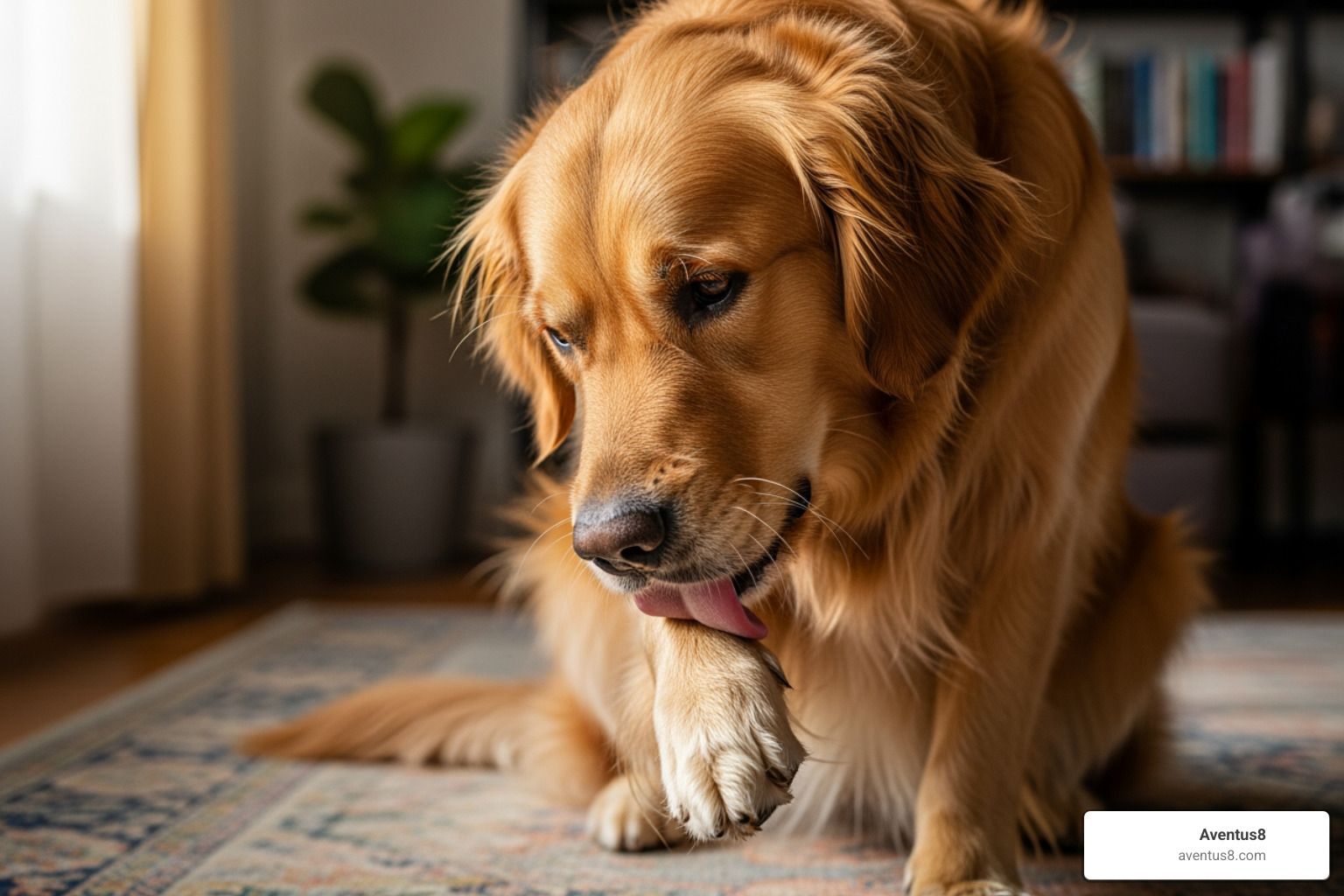
We've all seen our dogs do quirky things, but some behaviors are actually silent cries for help. Here are some signs, both subtle and obvious, that your dog might be experiencing joint discomfort:
-
Subtle Signs:
- Occasional stiffness: Especially after rest or waking up. They might be slow to get up from their bed after a long nap in the cool A/C.
- Reluctance to play: They might show less enthusiasm for a game of fetch at a local spot like John Williams Park or seem less excited to greet you at the door.
- Hesitancy: Refusing to jump on the couch, into the car for a trip to Hollywood Dog Beach, or up and down stairs.
- Changes in grooming: A dull coat, or excessive licking, chewing, or biting at a specific joint area.
- Lethargy: Sleeping more or being less active, which can be easy to mistake for laziness, especially during hot and humid South Florida afternoons.
- Loss of appetite: A sudden disinterest in food.
- Depression: Appears withdrawn, less engaged with family.
-
Obvious Signs:
- Limping or lameness: Favoring one leg, or a noticeable change in gait.
- Stiffness: A pronounced, awkward movement, especially in the hind legs.
- Irritability or aggression: Snapping or growling when touched, especially near a painful joint, or when approached by other pets or people.
- Frequent slipping: Losing their footing more often while moving.
- Vocalizing: Whining, yelping, or groaning when moving or touched.
- Muscle atrophy: Noticeable loss of muscle mass, particularly in the affected limb.
- Changes in posture: A hunched stance or an unusual way of sitting or standing.
- Shaking or trembling: Can be a sign of pain, especially if localized.
Understanding these signs is the first step. If you suspect your dog is in pain, tools like the Canine Brief Pain Inventory (Canine BPI) can help you quantify and track your observations, providing valuable information for your veterinarian. Early detection is key to effective management and improving your dog's quality of life.
The Root of the Problem: Common Causes of Dog Joint Pain
Understanding why dog joint pain occurs is crucial for effective treatment and prevention for pet parents in Hollywood, FL. Joint pain in dogs generally falls into two main categories: developmental issues, which are often present from birth, and degenerative issues, which develop over time due to our local lifestyle and environment.
Developmental Joint Issues
These conditions arise from improper joint development, often rooted in genetics. In Hollywood, FL, where active breeds like German Shepherds, Labradors, and Golden Retrievers are popular companions for beach outings and park visits, these issues are a significant concern.
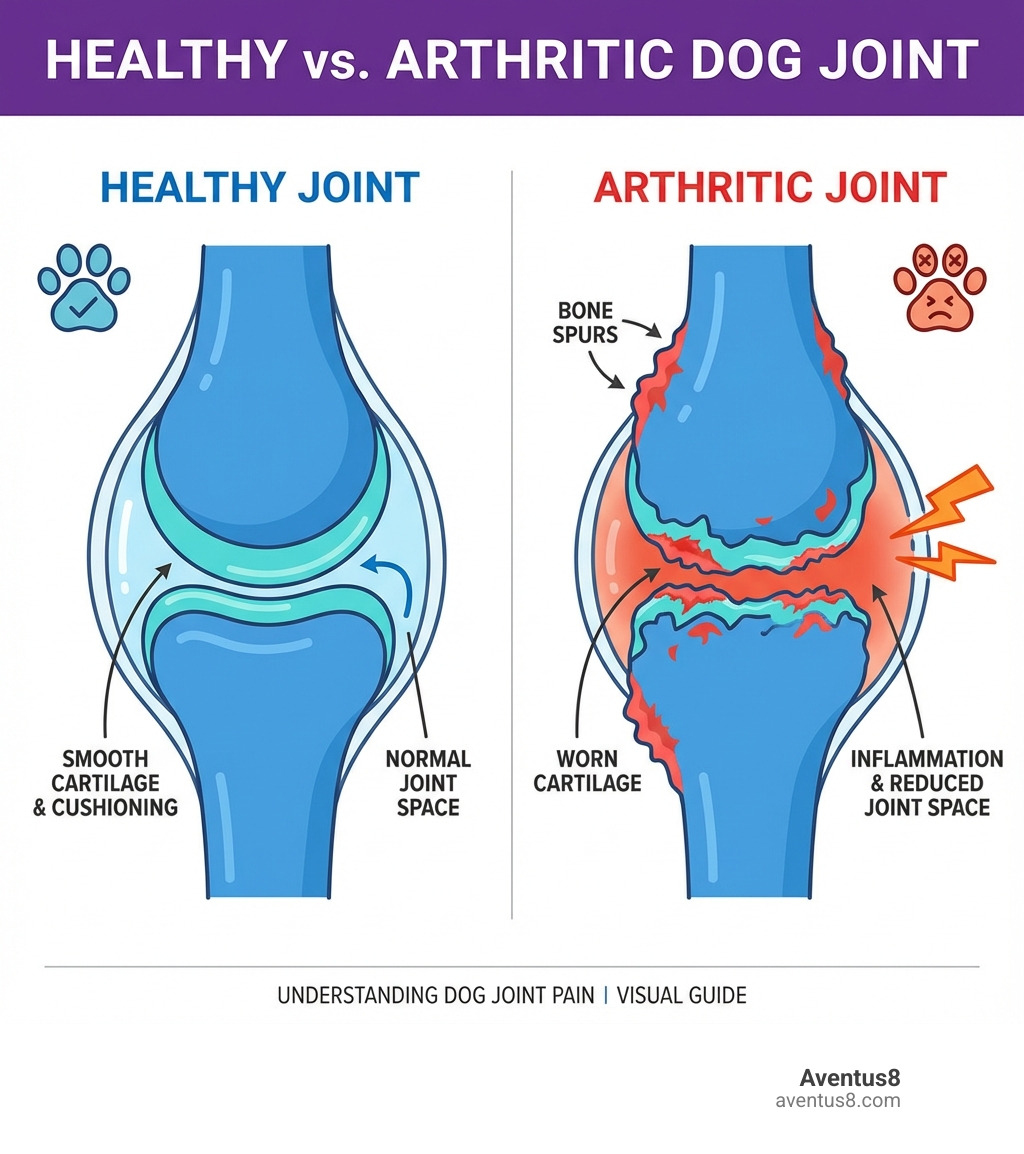
- Hip Dysplasia: This is one of the most well-known developmental issues, especially prevalent in large breeds like German Shepherds, Labradors, and Golden Retrievers. It occurs when the hip joint doesn't form correctly, leading to a loose fit between the ball and socket. This abnormal development causes friction and wear, leading to inflammation and eventually osteoarthritis.
- Elbow Dysplasia: Similar to hip dysplasia, this involves abnormal development of the elbow joint. It's a common cause of osteoarthritis in the canine elbow and frequently affects young, large, rapidly growing dogs, such as Bernese Mountain Dogs.
- Osteochondrosis (OCD): This condition affects rapidly growing medium and large breeds. It's a disturbance in cartilage and bone formation where immature joint cartilage cracks and separates from the underlying bone. Common sites include the shoulder, elbow, stifle (knee), and hock (ankle) joints.
- Aseptic Necrosis of the Femoral Head (Legg-Calvé-Perthes Disease): This condition, common in young miniature and small breeds, involves the deterioration of the femoral head due to a lack of blood supply.
- Patellar Luxation (Displacement of the Kneecap): Often hereditary, this is when the kneecap slips out of its normal groove, leading to intermittent lameness and potentially other hindlimb deformities.
Many of these developmental issues are linked to heritable, appendicular skeletal conformational abnormalities, meaning they're passed down through generations. Good breeders will often screen their breeding dogs for these conditions, which is why asking about a puppy's lineage is an important proactive step.
Degenerative Joint Issues
Unlike developmental problems, degenerative joint issues are typically caused by repeated use and external factors that damage healthy joints over time. The active lifestyle many Hollywood, FL dogs enjoy—from running on the sand to playing fetch at local parks—can contribute to this wear and tear.
- Osteoarthritis (OA) in Dogs: This is perhaps the most common chronic, painful condition affecting dogs. OA is a progressive disease involving the inflammation and breakdown of joint components, including cartilage, the joint capsule, and the underlying bone. As cartilage wears away, it exposes the underlying bone, leading to pain, inflammation, and reduced shock absorption. This process can start early in life, particularly in dogs with underlying orthopedic diseases.
- Ligament Injuries: A common example is the cranial cruciate ligament (CCL) tear in the stifle (knee) joint. This is a very common injury, especially when the joint is already weakened by degeneration or conformational defects.
- Age-Related Wear and Tear: As dogs age, their joints naturally experience wear and tear. This cumulative stress can lead to cartilage thinning and joint inflammation, contributing to the development or worsening of conditions like OA.
- Trauma: Accidents, falls, or repeated high-impact activities can cause stress fractures, dislocations (e.g., ankle, elbow, hip), and other joint injuries that accelerate degenerative processes.
- Obesity Impact: Excess weight is a major contributor to dog joint pain. In a place like Hollywood, FL, with its year-round pleasant weather and dog-friendly outdoor cafes along the Broadwalk, it can be easy to over-treat our pets with table scraps. This extra weight places immense physical pressure on joints, and fat tissue produces inflammatory chemicals that worsen the condition. Maintaining a lean body condition is one of the most effective ways to manage joint issues.
Whether the cause is developmental or degenerative, the result is the same: pain and reduced mobility for our beloved companions. Recognizing these underlying causes helps us understand why a multimodal approach to treatment is so essential.
A Vet's Perspective: Diagnosis and Professional Treatment in Hollywood, FL
When it comes to dog joint pain, our role as pet parents is to be observant. But once we suspect an issue, the next crucial step is to seek professional veterinary attention. Early diagnosis and intervention can make a world of difference in managing pain and slowing disease progression.
When to See a Vet
We should contact our Hollywood, FL veterinarian immediately if we notice any of the signs of joint pain discussed earlier. Dogs are excellent at masking pain, so even subtle changes warrant a professional evaluation. Waiting too long can lead to more aggressive treatments as cartilage continues to degrade.
The Diagnostic Process
When we visit our local veterinarian in Hollywood, FL, they will typically follow a comprehensive diagnostic process:
- Physical Examination: The vet will observe our dog's gait and movement, and gently palpate (feel) the joints for swelling, warmth, pain response, and range of motion.
- Medical History: We'll be asked about our dog's symptoms and any relevant past injuries or health conditions.
- Imaging: X-rays are often the primary tool to visualize joint structures and identify abnormalities. For more complex cases, our vet might recommend advanced imaging like CT scans or MRI.
- Blood Tests/Joint Fluid Analysis: These may be performed to rule out other conditions or to assess overall health before starting medications.
A precise diagnosis allows our Hollywood, FL vet to create a custom, multimodal treatment plan. This approach combines various therapies to address pain, reduce inflammation, and improve mobility. Excellent veterinary care is available right here in our community, with local clinics offering a variety of services for joint health.
Medical Interventions for Dog Joint Pain
Once a diagnosis is made, our Hollywood, FL veterinarian has a range of medical interventions to manage dog joint pain. The goal is to reduce pain and inflammation while improving our dog's quality of life.
- Veterinary-Prescribed Pain Relief (NSAIDs): Nonsteroidal Anti-Inflammatory Drugs (NSAIDs) are a cornerstone of medical management. These medications are specifically formulated for dogs to control pain and inflammation. It's crucial to use only veterinary-prescribed NSAIDs, as human versions are toxic. Your vet will determine the right medication and dosage, and may recommend routine blood work to monitor for side effects.
- Other Pain Medications: For more severe or chronic pain, your vet might prescribe additional medications like gabapentin or amantadine to manage pain that originates from nerve damage.
-
Injectable Therapies:
- Options include medications like Polysulfated Glycosaminoglycan (PSGAG) to protect cartilage and lubricate joints.
- A newer therapy, Librela (bedinvetmab), is a monthly injection that targets a key pain mediator (Nerve Growth Factor) and has shown significant results.
- In some cases, vets may recommend direct joint injections of biologics like platelet-rich plasma (PRP) or stem cell therapy to promote healing.
- Corticosteroids: While effective anti-inflammatories, corticosteroids are generally used cautiously for short durations due to potential side effects. They should never be used concurrently with NSAIDs.
- Surgical Options: For severe cases, surgery might be the best option. This can include procedures like hip replacement, joint fusion, or surgical repair of ligament tears. Our Hollywood, FL veterinary specialists can assess if surgery is appropriate.
The importance of professional guidance cannot be overstated. Our Hollywood, FL veterinarian will custom-tailor a pain management plan to our dog's specific needs.
Supportive Therapies and Holistic Approaches
Beyond traditional medications, a holistic approach that includes supportive therapies can significantly improve our dog's comfort and mobility, especially for those living in sunny Hollywood, FL.
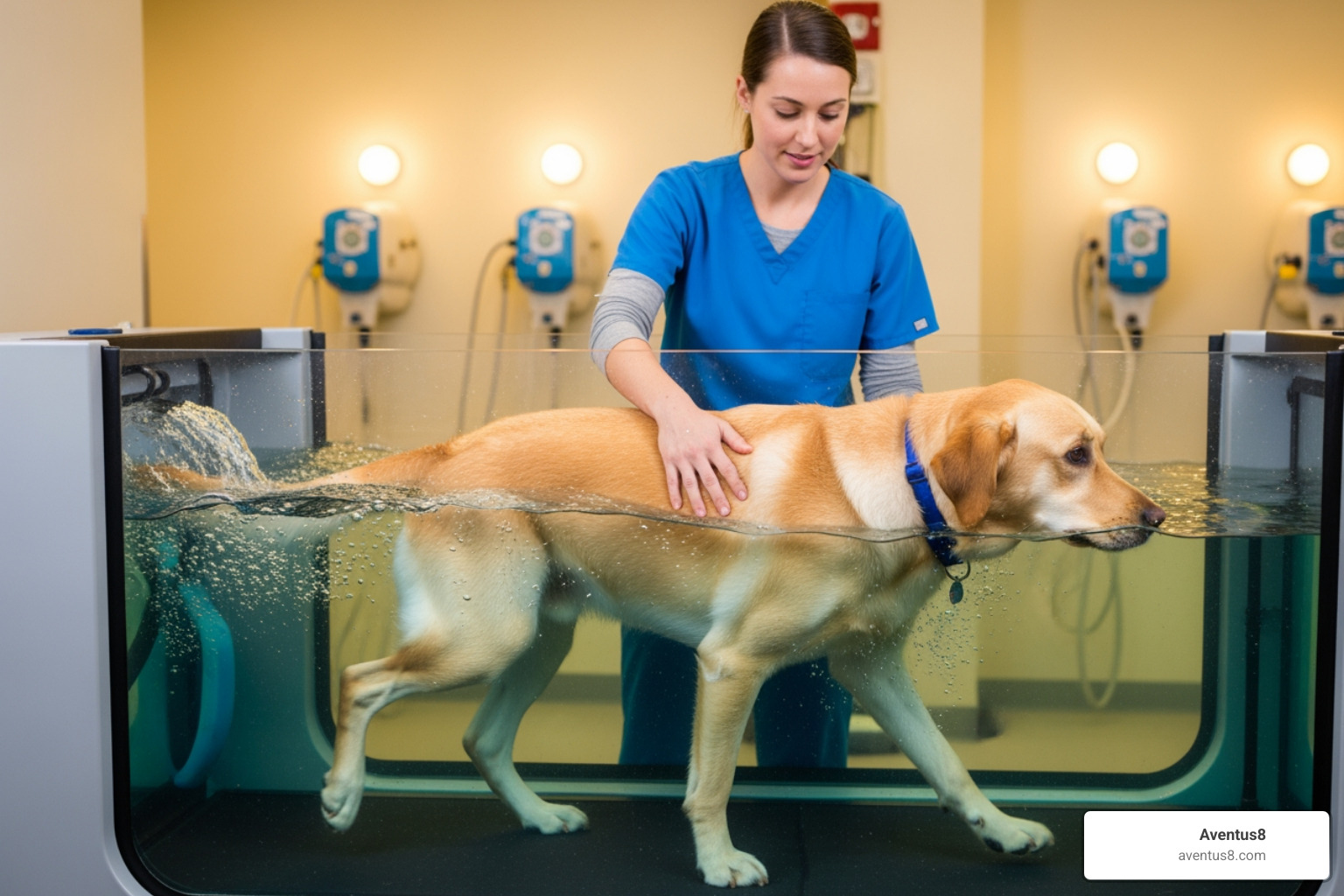
- Physical Therapy/Rehabilitation: Just like in humans, physical therapy can work wonders. It aims to restore mobility and function through low-impact exercises like an underwater treadmill, guided movements, and massage. Many of these services are available at specialized rehabilitation centers in and around Hollywood, FL. The American Animal Hospital Association (AAHA) provides an excellent overview of physical therapy in dogs.
- Acupuncture: This practice involves inserting thin needles into specific points to stimulate nerve function and release natural pain-relieving compounds. Many dogs respond well to it for chronic pain.
- Chiropractic Care: A veterinary chiropractor can help address spinal and joint misalignments that may contribute to pain. Some local Hollywood, FL animal hospitals offer this service.
- Cold Laser Therapy: This non-invasive treatment uses light to stimulate cellular repair, reduce inflammation, and alleviate pain. Pet laser therapy is available right here in Hollywood, FL.
From Aventus8's perspective, we believe in supporting natural wellness and offering holistic pain management options. We understand that pet parents in Hollywood, FL are looking for complementary ways to help their furry companions thrive. That's why we focus on providing high-quality, natural solutions that can be integrated into a comprehensive care plan, always in consultation with your trusted veterinarian. Our commitment is to the well-being of local pets, offering options that align with a natural approach to health.
Proactive Care: Managing and Preventing Joint Pain at Home
While veterinary care is essential for diagnosing and treating dog joint pain, there's so much we can do at home to manage symptoms and improve our dog's daily comfort. Proactive care focuses on creating a supportive environment and making lifestyle choices that promote joint health, especially for our active Hollywood, FL pups.
The Role of Weight and Nutrition
One of the most impactful things we can do for our dog's joint health is to maintain an ideal weight. In a city like Hollywood, FL, where the outdoor, dog-friendly dining culture can lead to extra table scraps, being mindful of weight is especially important. Obesity is a major culprit in dog joint pain, as it places immense strain on joints and speeds up cartilage breakdown. Fat cells also produce inflammatory mediators that worsen the cycle of pain.
- Lean Body Condition: Aim for a lean body condition where you can easily feel your dog's ribs and they have a visible waistline. Even a modest weight loss can dramatically improve mobility.
-
Diet and Nutrition Tips:
- Calorie Management: Work with your Hollywood, FL vet to determine the appropriate daily caloric intake for your dog.
- Therapeutic Diets: Specific veterinary diets are formulated with ingredients to support joint health and weight management.
- Healthy Treats: Opt for low-calorie treats or use their regular kibble for training rewards.
- Omega-3 Fatty Acids: Diets rich in omega-3 fatty acids, particularly EPA, have anti-inflammatory properties that benefit joint health.
Consulting your Hollywood, FL vet for dietary recommendations is crucial for creating a personalized nutrition plan.
Smart Exercise for Aching Joints
Exercise is vital for maintaining muscle mass, which supports joints. However, for dogs with joint pain, the type of exercise matters greatly. The goal is to keep them moving without causing further pain.
-
Low-Impact Activities:
- Swimming: An excellent full-body workout with minimal impact on joints. The calm waters of Hollywood Beach (during designated dog hours) can be a great option.
- Gentle Leash Walks: Short, frequent walks are often better than one long, strenuous one. A leisurely stroll through TY Park can be perfect.
- Avoid High-Impact Play: Limit activities like intense fetch or jumping that put excessive stress on compromised joints.
- Building Muscle Support: Consistent, appropriate exercise helps maintain the muscular support that improves joint stability and reduces pain.
Always observe your dog during and after exercise. If they show increased pain or stiffness, reduce the intensity and consult your vet.
Natural Supplements for Dog Joint Pain
Many pet owners use natural supplements as part of a holistic approach to managing dog joint pain.
- Glucosamine and Chondroitin: These are well-known ingredients that support cartilage health. While scientific reviews are mixed, many vets and owners report positive results, especially when used proactively.
- Omega-3 Fatty Acids: Found in fish oils, these powerful anti-inflammatory compounds can significantly reduce joint pain and improve mobility. Look for supplements rich in EPA and DHA.
- Green-Lipped Mussel (GLM): This shellfish extract is a rich source of omega-3s, components of cartilage, and antioxidants, making it a comprehensive joint support ingredient.
- MSM (Methylsulfonylmethane): An organic sulfur compound that can help reduce inflammation and pain.
As a company dedicated to natural wellness, Aventus8 offers a range of holistic pet remedies that many Hollywood, FL pet parents find beneficial. We believe in the power of natural solutions to support our dogs' health. Our blog post on Pain Relief for Pups: The Power of CBD digs into how CBD may help support a normal inflammatory response and promote healthy joints, offering Aventus8’s locally available natural solutions for Hollywood, FL dogs. Always consult your veterinarian before introducing any new supplement into your dog's regimen.
Creating a Joint-Friendly Home
Simple home modifications can make a significant difference in the comfort and safety of a dog with joint pain.
- Orthopedic Beds: A soft, supportive, low-to-the-ground orthopedic bed provides comfort for aching joints.
- Ramps or Steps: For cars, couches, or beds, ramps or pet steps eliminate the need for painful jumping. This is especially helpful for dogs who love car rides around Hollywood, FL.
- Non-Slip Surfaces: Hardwood or tile floors can be slippery. Placing non-slip rugs or mats in high-traffic areas can prevent painful falls.
- Raised Food and Water Bowls: Raised bowls allow dogs with neck or back pain to eat and drink in a more comfortable posture.
- Manage Stairs: If stairs are a struggle, use a dog gate to block access or add non-slip grips for better traction.
- Dog-Lift Harness: For dogs with severe mobility issues, a dog-lift harness can be invaluable for assisting them with movement.
By implementing these tips for a comfortable home in Hollywood, FL, we can reduce our dog's daily pain and help them feel more secure.
Frequently Asked Questions about Dog Joint Pain
We often hear similar questions from concerned pet parents about their furry friends' joint health. Let's address some of the most common ones.
Can joint pain in young dogs be cured?
For developmental conditions like hip or elbow dysplasia, early surgical intervention can sometimes "correct" the underlying issue, especially if performed before significant arthritic changes occur. However, even with successful surgery, these dogs often remain predisposed to developing osteoarthritis (OA) later in life.
For OA itself, there is currently no cure. It's a progressive condition where cartilage continuously breaks down. However, early diagnosis and aggressive management can dramatically slow its progression, alleviate pain, and maintain a good quality of life for many years. The prognosis varies depending on the specific cause, severity, and how early treatment begins. Our Hollywood, FL veterinarians focus on managing the condition to ensure your dog lives comfortably.
Are human pain medications (like Ibuprofen) safe for dogs?
Absolutely not. This is a critical point that we cannot emphasize enough. Human pain medications, such as Ibuprofen, Acetaminophen (Tylenol), or Naproxen (Aleve), are highly toxic to dogs and can cause severe, life-threatening side effects, including:
- Gastrointestinal Ulcers and Bleeding: Even a small dose can lead to severe stomach upset, vomiting, diarrhea, and internal bleeding.
- Kidney Damage: These medications can cause acute kidney failure.
- Liver Damage: Acetaminophen, in particular, is extremely damaging to a dog's liver.
Never self-medicate your dog with human drugs. Always consult your Hollywood, FL veterinarian if your dog is in pain. They will prescribe safe, veterinary-specific medications (like NSAIDs designed for dogs) and provide proper dosing instructions. These drugs are formulated to be effective and minimize risks in canines.
How can I tell if my dog's joint pain is getting worse?
Monitoring your dog for subtle changes is key to understanding if their joint pain is progressing. Here are signs that their condition might be worsening:
- Increased Lameness or Stiffness: They may limp more noticeably, or struggle even more to get up after resting.
- More Vocalizing: Increased whining, groaning, or yelping, especially during movement or when touched.
- Worsening Behavioral Changes: Becoming more withdrawn, irritable, or aggressive. They might avoid interaction more frequently.
- Reduced Activity Tolerance: They tire much faster during walks at TY Park, or refuse to participate in activities they once enjoyed, even low-impact ones.
- Muscle Atrophy: A more pronounced loss of muscle mass in the affected limbs due to disuse.
- Difficulty with Basic Functions: Struggling to posture for urination or defecation, or having accidents in the house because it's too painful to get outside.
- Changes in Appetite/Weight: Further loss of appetite, or conversely, weight gain due to extreme inactivity.
Using a pain assessment tool, like the Liverpool Osteoarthritis in Dogs (LOAD) questionnaire or a simple pain diary, can help us track these changes over time and provide objective information to our vet. Regular check-ups with your Hollywood, FL veterinarian are also essential for monitoring the progression of dog joint pain and adjusting treatment plans as needed.
Conclusion
Understanding and addressing dog joint pain is a journey, not a destination. It's about recognizing that our beloved companions, whether they're frolicking on Hollywood Beach or lounging at home, might be silently enduring discomfort. The key takeaways are clear:
- Early Detection is Key: Learn to spot the subtle signs of pain, rather than dismissing them as normal aging. Our dogs rely on us to be their advocates.
- A Multimodal Approach Works Best: There's no single magic bullet. Effective management combines veterinary care, appropriate medications, supportive therapies, careful weight management, smart exercise, beneficial supplements, and a joint-friendly home environment.
- Partner with Your Hollywood, FL Vet: Your veterinarian is your most valuable resource. They can provide an accurate diagnosis, prescribe safe and effective treatments, and guide you through the best care plan for your unique dog.
- Accept Holistic Wellness: At Aventus8, we believe in supporting your dog's overall well-being with high-quality, natural solutions that complement veterinary care. Our commitment is to help every dog live their happiest, most comfortable life.
By taking proactive steps and working closely with your Hollywood, FL veterinary team, you can significantly improve your dog's quality of life, keep their tail wagging, and ensure they continue to enjoy every moment with you.
For more insights into natural ways to support your pet's health, explore our guide on Paws-itively Perfect: Finding the Best CBD Treats for Your Pet.